
Blog
How to Ship Goods Between Islands: A Complete and Cost-Effective Guide
Shipping goods between islands doesn't have to be complicated or expensive. This guide helps you choose the right shipping method, pack your goods securely, and track your shipment until it reaches its destination.
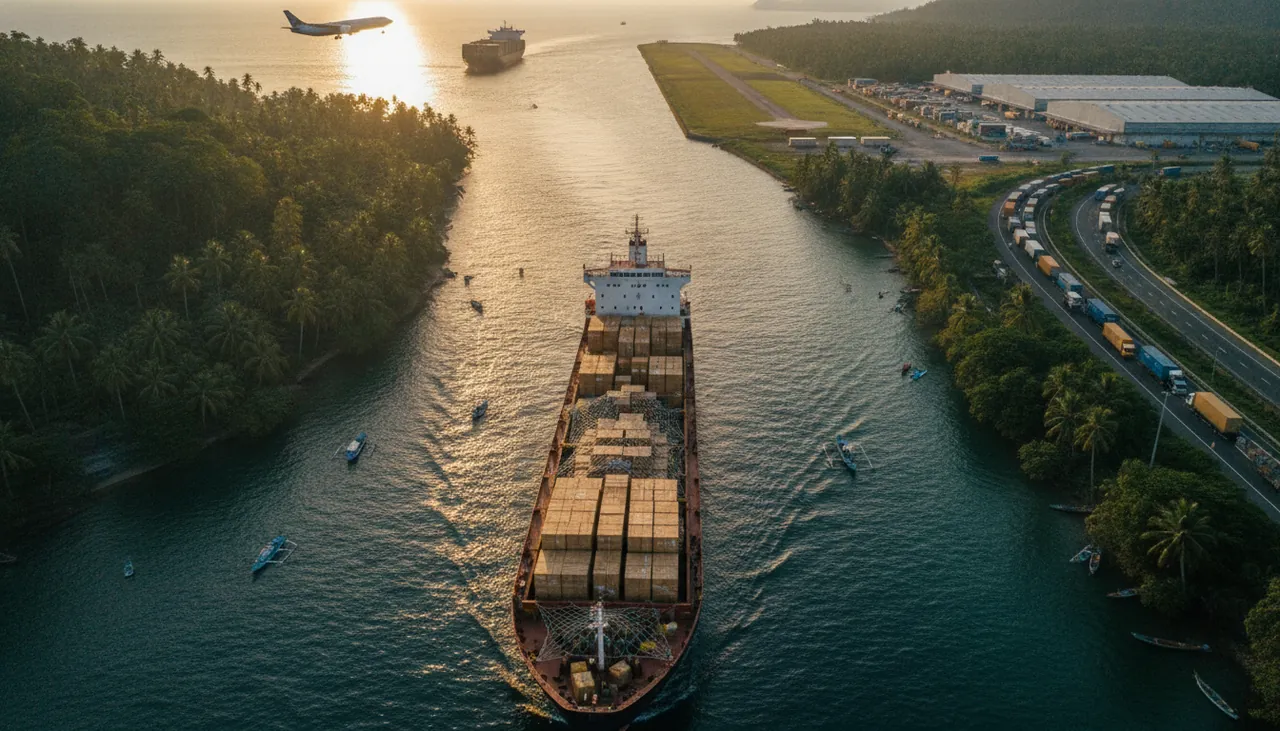
Shipping goods from one island to another in Indonesia can feel overwhelming, especially for businesses or individuals doing it for the first time. Long distances, various transportation options, and differences in estimated delivery times and costs can make it difficult to know where to start. This guide is designed to help you understand the inter-island shipping process, from the initial preparations until your goods reach the recipient.
Why Is Inter-Island Shipping Different from Intercity Shipping?
Indonesia consists of more than 17,000 islands, making inter-island shipping different from deliveries between cities on the same landmass. Some of the key differences include:
Longer transit times — Shipments may need to go through loading processes at ports or airports, transit between locations, and final distribution to the destination address.
Limited transportation options — Not every route can be served by all transportation methods. Some remote areas can only be reached by sea or air.
More variable shipping costs — Rates depend on weight, volume, distance, shipping method, and route conditions.
Higher risks — Longer journeys increase the potential for damage or loss, making proper packaging and shipping insurance important considerations.
Understanding these differences is the first step toward planning your shipments more effectively.
Choose the Right Shipping Method for Your Needs
There are three main transportation options for inter-island shipping: air freight, sea freight, and a combination of land and sea transportation. Here is a brief overview of each option:
1. Air Freight
Shipping by air cargo is the fastest option. It is suitable for high-value goods, time-sensitive shipments (such as documents, urgent spare parts, and seasonal fashion products), or deliveries to cities with operational airports. Estimated delivery times are generally 1–3 business days, depending on the route. Although the cost is higher, speed and security are its main advantages.
2. Sea Freight
Shipping by vessel—whether through Pelni or RoRo services—is the most economical solution for large and heavy shipments. If you are shipping furniture, machinery, vehicles, or large quantities of commercial goods in containers, sea freight is often the most cost-effective choice. Transit times are longer, typically ranging from 14–18 days depending on the route and vessel schedule, but the potential cost savings can be significant.
3. Land and Sea Freight (Multimodal Shipping)
For shipments to islands that require land transportation before connecting to a vessel, a combination of trucks and RoRo ships is often used. For example, shipments from Jakarta to Lombok can travel by truck to Banyuwangi before crossing to Lombok via Bali. This option offers flexibility and cost savings for larger shipments.
Step-by-Step Guide to Shipping Goods Between Islands
Here is the general process to follow when shipping goods between islands:
1. Determine the destination and estimate the shipment's weight and volume
Before contacting a logistics provider, prepare the basic shipment details: origin city, destination city, actual weight, and estimated dimensions (length × width × height). This information is used to calculate shipping costs, including volumetric weight for large but lightweight items.
2. Compare shipping methods and costs
Once you know your shipment specifications, compare the available options: air freight for speed and sea freight for cost efficiency. Contact the logistics provider or use an online shipping rate calculator to obtain an accurate estimate.
3. Package your goods securely
Proper packaging is essential to protect your goods during long-distance transportation. Use bubble wrap for fragile items, high-quality corrugated cardboard boxes, and strong packing tape. For electronic goods, add a layer of protective styrofoam. Make sure there is no excessive empty space inside the package to prevent items from shifting during transit.
4. Prepare the shipping documents
Provide complete sender and recipient information, including full names, detailed addresses, and active phone numbers. Certain goods, such as chemicals, food products, or high-value electronics, may require additional documentation. Contact your logistics provider if you are unsure about the requirements.
5. Drop off your shipment at an agent location or arrange a pickup
Most cargo logistics providers offer pickup services directly from your location, so you do not have to bring your goods to their office. Confirm the pickup schedule and make sure your shipment is ready before the courier arrives.
6. Keep your tracking number and monitor your shipment
After handing over your goods, you will receive a tracking or shipment reference number. Use this number to monitor your shipment's status in real time through the logistics provider's website, customer portal, or app.
Tips for Saving Money and Shipping Goods Safely Between Islands
Consolidate shipments whenever possible — If you are a seller with multiple orders going to the same area, combine them into one shipment to reduce the shipping cost per item.
Choose the shipping method based on urgency, not habit — Do not automatically choose air freight if your shipment is not urgent. Sea freight is much more economical for large shipments.
Get shipping insurance — For high-value goods, insurance is a small investment that can help protect you from significant financial losses.
Label your packages clearly — Mark fragile packages with labels such as "FRAGILE" or "THIS SIDE UP" to ensure they are handled with care.
Confirm vessel or flight schedules — Especially for sea freight, vessel schedules may change. Make sure your logistics provider has confirmed the available cargo space.
Inter-Island Shipping for Online Sellers and SMEs
For online businesses and small and medium-sized enterprises (SMEs), inter-island shipping has become an increasingly common part of daily operations. Many sellers based on Java serve customers in Kalimantan, Sulawesi, Maluku, and even Papua. For these shipping needs, it is important to choose a logistics provider with an extensive delivery network, transparent tracking systems, and responsive customer service.
Sentral Cargo provides shipping services throughout Indonesia through three transportation methods—air, land, and sea freight—supported by real-time tracking and a customer portal. With a minimum shipment weight of 5 kg, our services are suitable for both business and personal shipping needs.
FAQ
How Long Does Inter-Island Shipping Take?
Estimated delivery times depend on the selected shipping method and destination route. Air freight generally takes 1–3 business days, while sea freight may take 14–18 days, depending on vessel schedules and destination distance. For more accurate delivery estimates, contact your logistics provider directly.
Is There a Minimum Weight Requirement for Inter-Island Shipping?
At Sentral Cargo, the minimum shipment weight is 5 kg. For shipments below this limit, charges are still calculated based on the 5 kg minimum. Make sure to factor this into your shipping budget.
How Are Inter-Island Shipping Costs Calculated?
Shipping costs are calculated based on whichever is greater: actual weight or volumetric weight (length × width × height divided by a specific divisor). The shipping method and destination route also affect the final cost. Use an online shipping rate calculator or contact Customer Service for a cost estimate.
Will My Goods Be Safe During Inter-Island Shipping?
Shipment safety largely depends on packaging quality and your choice of logistics provider. Make sure your goods are properly packed, choose a reliable provider with shipment tracking, and consider shipping insurance for high-value items.
Can Marketplace Sellers Ship Goods Between Islands Through Sentral Cargo?
Yes. Sentral Cargo serves marketplace sellers and SMEs, including through its SC-Shopee service. Shipments can be arranged for various types of goods to destinations throughout Indonesia, with flexible transportation options to suit your needs.
Inter-island shipping does not have to be complicated or expensive. With proper planning—from choosing the right transportation method and packaging your goods securely to making use of shipment tracking—you can help ensure your goods arrive safely and on time.
If you would like to know the estimated shipping costs to your destination or need assistance choosing the most suitable service, contact the Sentral Cargo team via WhatsApp or check shipping rates directly on our website. We are ready to help you ship goods safely and reliably to destinations throughout Indonesia.