
Blog
How to Ship Goods Across Indonesia: Choosing the Right Shipping Method
Not sure which shipping method is best for sending goods across Indonesia? This guide helps you choose the right shipping option based on your needs, delivery time, and budget.
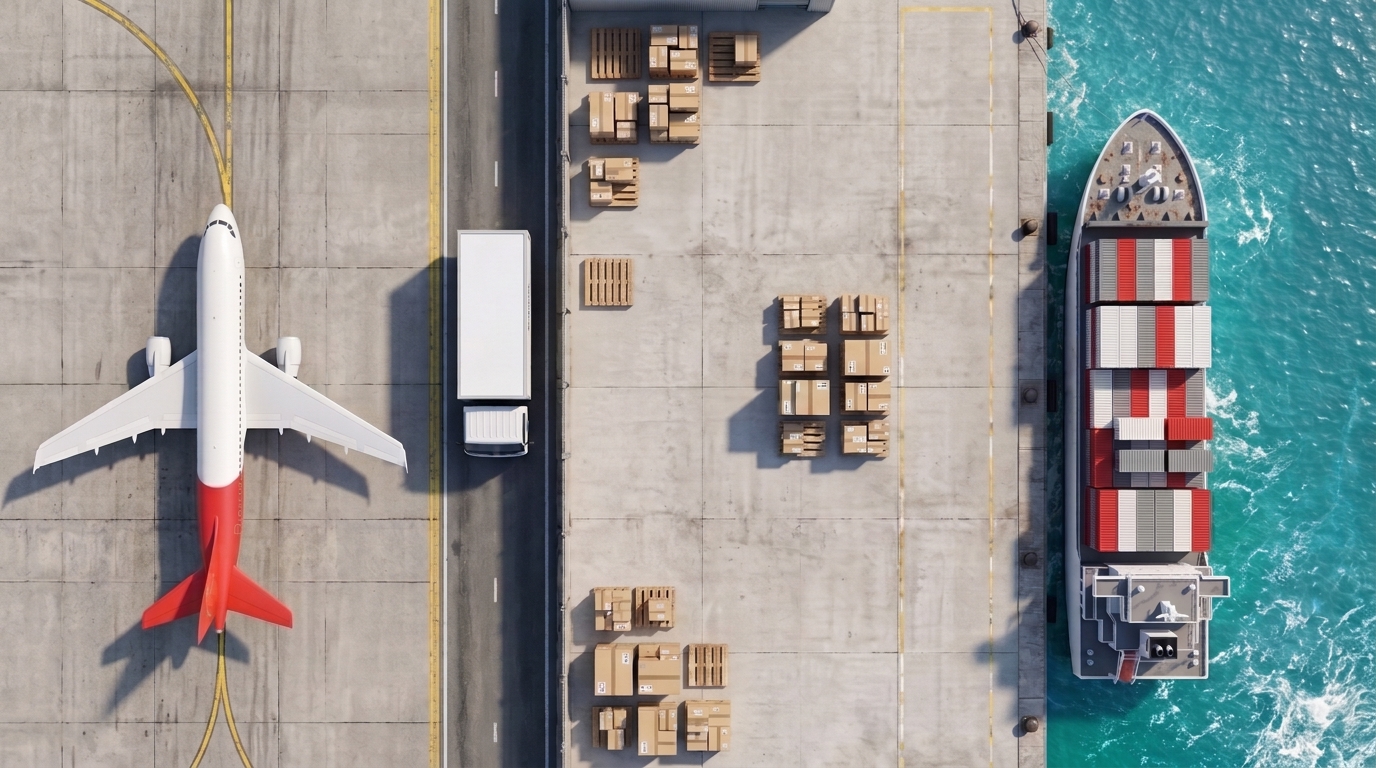
Shipping goods to various destinations across Indonesia is no longer complicated — as long as you know how to choose the right shipping method for your needs. Is your shipment urgent? Does it involve heavy or oversized goods? Or is cost efficiency your top priority? The answers to these questions will determine whether you should choose air, land, or sea freight.
This article provides a practical guide to help you make smarter shipping decisions — whether for personal needs, SME businesses, or marketplace sales.
Understanding the Three Main Cargo Shipping Methods
Before making a decision, it is important to understand the characteristics of each available shipping method:
1. Air Freight
Shipping via air cargo is the fastest option for reaching cities with operational airports. It is suitable for high-value goods, time-sensitive products, or shipments that need to arrive within 1–3 business days.
Although air freight rates are higher than other shipping methods, speed and security are its main advantages.
2. Land Freight
Trucking or land transportation is highly efficient for intercity routes within the same island, such as Jakarta–Bandung, Jakarta–Surabaya, or Medan–Pekanbaru.
It offers more affordable rates compared to air freight and is suitable for medium-sized shipments that are not particularly time-sensitive.
3. Sea Freight
Shipping by vessel — including Pelni and Roro vessels — is the most economical solution for large, heavy, or inter-island shipments.
If you need to transport large quantities of goods from Java to Kalimantan, Sulawesi, Papua, or other islands, sea freight offers significant cost savings, although delivery takes longer.
When Should You Choose Air Freight?
Air freight is the best option when:
Your goods need to arrive quickly (within 1–3 business days).
Your shipment contains high-value goods and security is a priority.
Your destination has an operational airport.
Your shipment's weight and volume are not too large.
Ideal scenario: An online seller receives an urgent order for electronic products from a customer in Makassar, Balikpapan, or Jayapura and needs to ensure the goods arrive before the weekend.
When Should You Choose Land Freight?
Land freight is a suitable option when:
Your shipping route is within the same island.
Your shipping budget is limited, but an estimated delivery time of 2–5 days is still acceptable.
Your goods are medium-sized to large but do not require sea transportation.
You want flexible pickup and door-to-door delivery services.
Ideal scenario: A furniture SME in Semarang regularly ships products to customers in Surabaya or Yogyakarta every week.
When Should You Choose Sea Freight?
Sea freight is the most cost-effective option for:
Large-volume or heavy inter-island shipments.
Oversized goods that cannot fit on aircraft or standard trucks.
Non-urgent shipments (estimated delivery time of 14-18 days, depending on the route).
Businesses or distributors shipping inventory in bulk.
Ideal scenario: A building materials distributor in Jakarta ships several tons of construction materials to Manado or Sorong.
Tips for Choosing the Right Shipping Company
To ensure your shipments run smoothly, consider the following tips:
Calculate volumetric weight: Cargo shipping fees are generally based on either actual weight or volumetric weight, whichever is greater. Always measure your goods before deciding on a shipping method.
Consider delivery urgency versus budget: If your delivery schedule is flexible, choose sea or land freight to reduce logistics costs.
Ensure proper packaging: Well-packed goods help minimize the risk of damage during transit, regardless of the shipping method.
Take advantage of tracking features: Choose a shipping provider that offers real-time tracking so you and the recipient can monitor shipment progress anytime.
Consider insurance for valuable goods: For high-value shipments, make sure to use shipping insurance for additional protection and peace of mind.
Minimum Shipment Weight and Service Coverage
It is important to understand that cargo services have a minimum shipment weight, generally starting from 5 kg. This differs from regular courier services, which can accept packages weighing less than 1 kg.
Cargo services are more suitable for medium- to large-sized shipments, whether for business or personal needs.
Shipping coverage extends across Indonesia, including major cities, smaller towns, and remote areas that require specialized transportation routes.
The more specific your destination information is, the easier it will be to determine the most efficient shipping method.
Services for Marketplace and E-Commerce Sellers
If you are an active seller on Shopee, Tokopedia, Lazada, or other online marketplaces, cargo services can be an ideal solution for shipping products in bulk to customers or reseller partners across different cities.
Sentral Cargo provides specialized services such as SC-Shopee, designed to help marketplace sellers manage high-volume shipments with competitive shipping rates.
With a customer portal and real-time tracking features, you can monitor the status of every shipment without having to contact Customer Service — helping improve efficiency and save valuable business operating time.
How to Get Started with Cargo Shipping
Here are the general steps to get started with cargo shipping:
Determine your destination and estimate the weight and dimensions of your goods.
Check shipping rates to find out the estimated costs based on your chosen shipping method and route.
Pack your goods securely using appropriate protective materials.
Contact or visit a shipping agent to arrange a pickup or drop-off.
Keep your tracking number for shipment monitoring purposes.
Monitor your shipment through the customer portal or application.
These steps apply whether you are shipping for the first time or managing regular business shipments.
Understanding the available shipping methods is an important first step before sending goods across Indonesia. By considering delivery urgency, budget, and the characteristics of your goods, you can make smarter and more cost-effective shipping decisions.
Sentral Cargo is here as your trusted logistics partner, ready to support your shipments — from Jakarta to destinations across the Indonesian archipelago, with reliable services and convenient shipment tracking.
Ready to ship your goods? Check your shipping rates today or contact the Sentral Cargo Customer Service team via WhatsApp to get recommendations on the shipping method that best suits your needs.
FAQ
What is the minimum weight for using cargo shipping services?
Sentral Cargo has a minimum shipment weight of 5 kg. If your shipment's actual weight is below this limit, the shipping fee will still be calculated based on the 5 kg minimum.
For very small packages, regular courier services may be a more suitable option.
Is sea freight safe for electronic goods?
Sea freight can be used for electronic goods. However, make sure your items are packed securely and protected against moisture, as sea transportation takes longer and may expose shipments to humid conditions.
For high-value electronic products, air freight is often a safer and faster option.
How can I track my shipment?
Sentral Cargo provides real-time tracking through its customer portal and application.
Simply enter the tracking number provided when your shipment is processed, and you can monitor its status anytime, anywhere.
Is pickup service available from homes or warehouses?
Yes. Sentral Cargo provides pickup services to make shipping more convenient, especially for business customers and SMEs that regularly send goods.
Contact Customer Service via WhatsApp to arrange a pickup schedule that suits your needs.
What is the difference between cargo and regular shipping services?
Cargo services are generally designed for heavier shipments (starting from 5 kg), offering more competitive per-kilogram rates for larger shipment volumes.
Regular courier services are more suitable for smaller packages weighing less than 5 kg.
For businesses that frequently ship goods in large quantities, cargo services are generally more cost