
Blog
SME Logistics Strategies: How to Ship Goods More Efficiently and Cost-Effectively
Efficient logistics is key to improving SME competitiveness. Discover practical strategies for choosing the right shipping method, reducing shipping costs, and maintaining customer satisfaction.
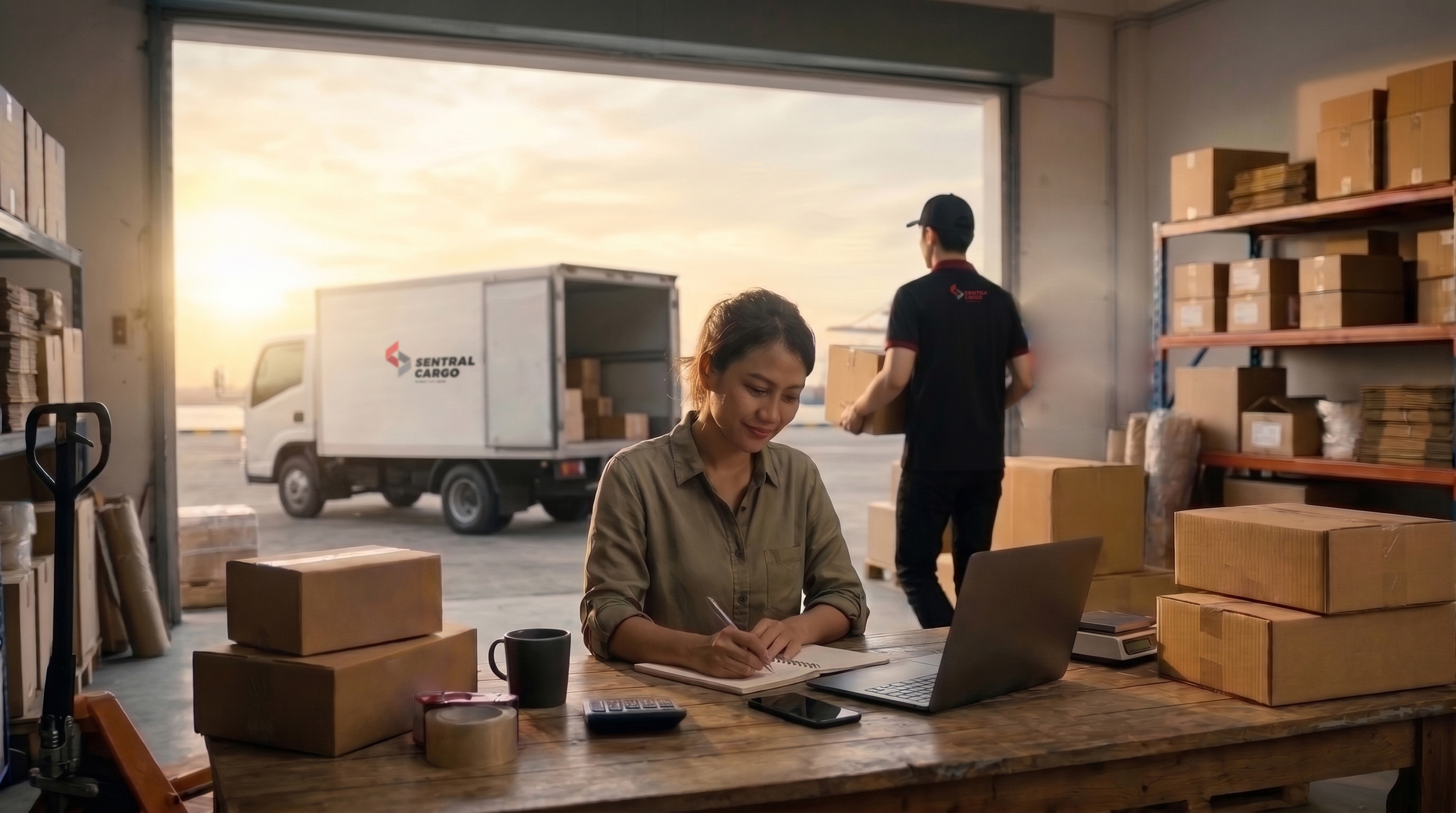
For SMEs and marketplace sellers, logistics involves much more than simply sending and delivering goods. Rising shipping costs, delayed packages, or damaged goods in transit can directly affect a store's reputation and profit margins. That is why having the right logistics strategy is a valuable investment in your business—not just another recurring expense.
This article explores practical steps SMEs can implement right away to make their shipping processes more efficient, cost-effective, and reliable.
Understand Your Shipping Profile First
The first step in building an effective logistics strategy is understanding the characteristics of the goods you regularly ship. Here are some important questions to consider:
What are the average weight and dimensions of your packages?
Which cities or islands do you ship to most frequently?
How many shipments do you typically send each month?
Do your products fall into categories such as fragile, high-value, or oversized goods?
Answering these questions will help you choose the most suitable shipping method—not simply the cheapest option at first glance, but the one that offers the best overall efficiency.
Understand the Three Shipping Methods and When to Use Them
One of the most important decisions in SME logistics is choosing between air, land, and sea freight. Each method has its own advantages and ideal use cases.
Air Freight is suitable for:
High-value goods that need to arrive quickly
Shipments to destinations outside the island that have airports
Products requested urgently by customers
Land Freight is suitable for:
Intercity shipments within the same island (such as Jakarta–Surabaya or Jakarta–Bandung)
Medium-volume shipments that are not particularly urgent
Goods with moderate weight and standard dimensions
Sea Freight is suitable for:
Large or heavy shipments to destinations outside the island
Products that are not time-sensitive and require maximum cost efficiency
Oversized cargo such as machinery, furniture, or construction materials
Understanding these differences helps you avoid overpaying for speed you do not actually need—or choosing a slower shipping method when your customers are already waiting.
Leverage Shipment Volume to Reduce Shipping Costs
One of the most effective ways to reduce logistics costs is by consolidating shipments. Instead of sending orders individually every day, consider collecting orders into batches and shipping them together several times a week.
This strategy offers several benefits:
It allows you to meet the minimum cargo shipment weight (generally starting at 5 kg), making cargo rates more cost-effective than regular parcel services.
It reduces the need for frequent trips to drop-off locations.
It makes shipping administration and tracking easier to manage.
For growing SMEs, shipment consolidation can also be arranged with other sellers in the same area, even if each seller continues to use their own shipping service.
Invest Time in Proper Packaging
Poor packaging is a frequently underestimated source of business losses. Goods damaged in transit can lead to refunds, a decline in store reputation, and significant replacement costs. On the other hand, excessive packaging can increase volumetric weight and ultimately raise shipping costs.
Here are some efficient packaging principles for SMEs:
Use good-quality cardboard boxes that fit your products—not too loose and not too tight.
Protect fragile products with sufficient bubble wrap or newspaper.
Seal all sides of the box securely with strong packing tape, using at least two layers.
Attach a clear, legible shipping label and protect it from water.
For high-value goods, consider additional inner protection such as zip-lock bags or specialized foam.
Proper packaging does more than protect your goods—it also reflects your store's professionalism in the eyes of your customers.
Use Tracking Services for Better Shipment Control
As a business owner, you need to know where your shipments are at all times. Make use of the real-time tracking features provided by your chosen logistics provider. With reliable tracking, you can:
Proactively update customers without waiting for them to file complaints.
Identify potential delays earlier.
Access historical shipment data to regularly evaluate logistics performance.
Sentral Cargo provides a customer portal and tracking features that allow you to monitor shipment statuses anytime, anywhere—particularly useful for SMEs managing multiple orders at once.
Consider Insurance for High-Value Goods
Many SME owners skip shipping insurance because they want to keep costs down. However, if you regularly ship electronics, jewelry, or other premium products, the cost of insurance is significantly lower than the potential loss resulting from damage or missing shipments.
As a simple guideline, consider purchasing shipping insurance for every package whose value exceeds a threshold you set yourself (for example, above IDR 500,000 or IDR 1,000,000). Make this part of your store's shipping SOP.
Evaluate Logistics Performance Regularly
An effective logistics strategy is not something you establish once and then forget. Set aside time every month or quarter to evaluate the following:
What are your total logistics costs compared with your revenue?
Which shipping method do you use most frequently, and is it still the most efficient option?
What percentage of total orders result in shipping-related complaints?
Are there specific routes that consistently experience delays?
This data will help you make smarter decisions—whether you need to change logistics providers for certain routes, add extra packaging protection, or adjust your shipping schedule.
Choose a Logistics Partner That Can Grow with Your Business
Ultimately, a strong SME logistics strategy requires a reliable logistics partner. Look beyond low prices and consider consistency, nationwide coverage across Indonesia, and transparency through a reliable tracking system.
Sentral Cargo (PT Aeronusa Inti Raya) has been serving businesses and SMEs since 2007, helping them manage shipments more easily through air, land, and sea freight services, including sea transportation via Pelni and RoRo vessels. With a minimum shipment weight of 5 kg, our services are designed to support businesses as their shipping needs continue to grow.
Ready to optimize your business logistics? Check shipping rates to your destination today, or contact the Sentral Cargo Customer Service team directly via WhatsApp for a free consultation on the best shipping solutions for your business needs.
FAQ
What is the difference between cargo shipping and regular parcel delivery?
Cargo shipping is generally intended for heavier shipments (usually starting from 5 kg) and offers more competitive per-kilogram rates than regular parcel services. Cargo is also available through three transportation methods—air, land, and sea—making it more flexible for different business shipping needs.
When should SMEs use sea freight?
Sea freight is ideal when shipping large or heavy goods to destinations outside the island and fast delivery is not a priority. It is significantly more cost-effective than air freight, making it suitable for furniture, construction materials, or large quantities of inventory.
Can cargo shipments be tracked in real time?
Yes. Sentral Cargo provides real-time tracking through its customer portal, allowing you to monitor your shipments anytime without having to contact Customer Service first.
Is shipping insurance available for cargo shipments?
Sentral Cargo provides optional protection for your shipments. This is particularly recommended for high-value goods to help minimize the risk of financial losses.
How can SMEs reduce shipping costs without compromising service quality?
One of the most effective ways is to consolidate shipments into batches so they meet the minimum cargo weight requirement and qualify for more cost-effective rates. In addition, choose a shipping method based on delivery urgency and destination. The fastest option is not always necessary if land or sea freight can still meet your delivery timeline.