
Blog
Cargo for Business: Efficient Shipping Strategies for Large-Scale Shipments
Managing large-volume cargo shipments requires more than simply choosing a shipping company. This guide helps your business ship more efficiently, reduce costs, and manage logistics with measurable results.
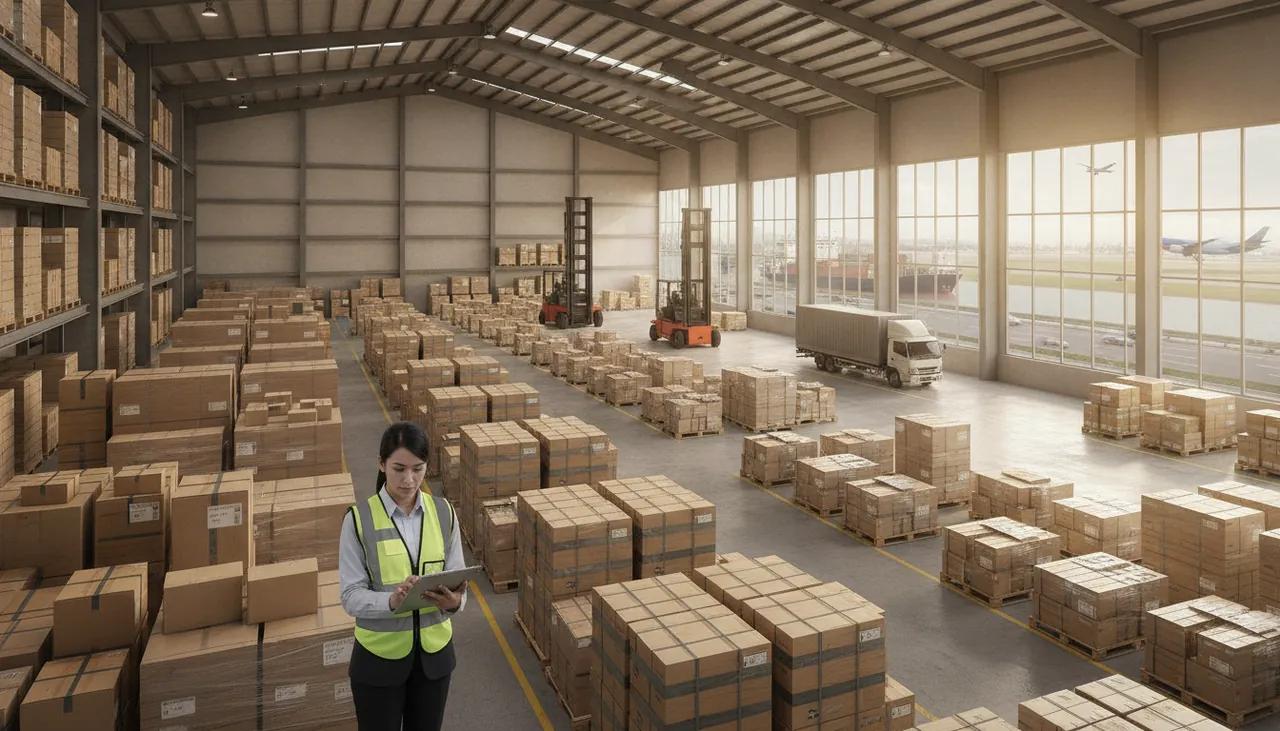
Cargo for business is not just about shipping goods — it is about managing the flow of products consistently, cost-effectively, and with minimal operational disruptions. The larger the shipping volume, the greater the potential for waste if logistics strategies are not properly planned.
Key Takeaways:
Choose a cargo shipping method (air, land, or sea) based on urgency, weight, and destination — not just price.
Cargo consolidation (combining multiple shipments into one delivery) can significantly reduce costs.
Proper packaging helps reduce damage claims and the costs of repacking and rehandling.
Regular shipping schedules create better opportunities to negotiate rates with shipping companies.
Real-time tracking and shipping documentation are the foundation of business accountability.
What Is the Difference Between Business Cargo and Personal Cargo?
Business cargo refers to shipments involving large volumes or high shipping frequencies that support production, distribution, or sales activities. The difference is not just about quantity — businesses need consistent schedules, shipment status visibility, and cost controls that can be audited.
Individual shippers typically send packages once or twice a week and have relatively simple shipping needs. Businesses, especially SMEs active on marketplaces or product distributors, may ship tens to hundreds of kilograms every day to multiple destinations. This is where a different approach is needed.
Some key differences include:
Aspect | Personal Cargo | Business Cargo |
|---|---|---|
Frequency | Occasional | Regular/daily |
Volume | 5–50 kg per shipment | 50 kg to several tons |
Priority | Affordable rates | Consistency + cost efficiency |
Documentation | Standard tracking receipt | Invoices, delivery notes, reports |
Rate Negotiation | Standard rates | Contract/volume-based rates |
How Do You Choose the Right Cargo Shipping Method for Your Business?
The right cargo shipping method depends on three main factors: delivery urgency, cargo weight and dimensions, and destination. Choosing the wrong method can increase costs or slow down distribution.
Air Freight
Air freight is best suited for high-value, perishable, or time-sensitive goods. Its main advantage is speed — shipments can reach cities with airports within 1–2 days. However, it is the most expensive of the three shipping methods, especially for heavy or oversized goods.
Land Freight
Land freight (trucking) is ideal for shipments between cities on the same island, particularly for medium to large volumes. It offers flexible scheduling and is suitable for goods that are not highly time-sensitive. Routes such as Jakarta–Surabaya and Jakarta–Bandung can be served at more affordable rates compared to air freight.
Sea Freight
Sea freight is the best option for heavy, bulky, or oversized cargo shipped between islands. It is the most cost-effective option for large volumes, although transit times are longer. Shipping services using vessels such as Pelni ships or Ro-Ro vessels are particularly relevant for businesses distributing products to Kalimantan, Sulawesi, Papua, or the Nusa Tenggara islands.
For a more detailed comparison of shipping costs and transit times across different methods, read our guide on how to ship goods between islands: a complete and cost-effective guide.
Consolidation Strategies: How to Reduce Cargo Shipping Costs Without Compromising Quality
Cargo consolidation is the practice of combining multiple shipments destined for the same or nearby locations into one shipment, reducing the cost per kilogram. It is one of the most effective techniques, yet it is often overlooked by small and medium-sized businesses.
How to implement it:
Group orders by destination area each day.
Set regular shipping schedules — for example, ship to Kalimantan every Monday and Thursday so that enough cargo can be accumulated.
Use LCL services (Less than Container Load) if your shipment volume is not enough to fill an entire container. Learn more about LCL vs. FCL container shipping.
Inform your shipping company that you ship regularly — this creates opportunities to negotiate volume-based rates.
Avoid: shipping every time a new order comes in without consolidating shipments. High shipping frequency combined with small shipment volumes can actually increase your total costs.
How Does Proper Packaging Affect Business Shipping Costs?
Poor packaging does more than damage goods — it can also lead to unexpected costs, including damage claims, repackaging, and replacement shipments. For businesses, damage to even one shipment can affect their reputation and customer relationships.
Packaging principles for business cargo:
Use double-wall corrugated boxes for heavy or dense goods.
Fill empty spaces inside boxes with bubble wrap or kraft paper to prevent items from shifting.
Add "Fragile" or "This Side Up" labels when relevant — and make sure the shipping company understands the handling instructions.
For high-volume goods shipped regularly, consider using wooden pallets to make loading and unloading safer and more efficient.
Weigh and measure every package before shipping to avoid discrepancies in shipping costs due to volumetric weight.
When Should Businesses Use Pickup Services?
Pickup services — where a shipping company's courier collects goods directly from your business location — are highly beneficial for businesses with medium to high shipping volumes. They save operational time because your team no longer needs to make repeated trips to an agent or drop-off point.
Free pickup services are available from many shipping companies, including Sentral Cargo, in selected areas. Schedule pickups regularly so that shipping activities do not disrupt your production or other packaging workflows.
Tips for making the most of pickup services:
Have all goods fully prepared (packed, labeled, and accompanied by the necessary documents) before the courier arrives.
Confirm the pickup schedule one day in advance if you have a large shipment volume.
Request a proof of handover as part of your business shipping documentation.
How Do You Manage Business Cargo Documentation and Tracking?
Well-organized documentation is the foundation of accountability in business logistics. Every shipment should be recorded, including its tracking number, shipping date, destination, weight, and declared value.
For businesses with high shipping volumes, make use of:
Customer portals or shipping company apps to monitor the status of all shipments from a single dashboard.
Spreadsheets or simple ERP systems to record tracking numbers and match them with customer orders.
Automatic notifications to inform customers when their goods have been shipped or have arrived at their destination — this builds trust and reduces incoming inquiries to your Customer Service team.
Do not overlook shipping insurance for high-value goods. The premium is generally small compared to the value of the goods being protected, making it particularly relevant for inter-island shipments with longer transit periods and more potential handling points.
Conclusion
Efficient business cargo is not about choosing the cheapest shipping company. It is about building a shipping system that is consistent, well-documented, and measurable. Choose the right shipping method for your needs, consolidate shipments, follow proper packaging standards, and make use of pickup and tracking services to maintain full control over every shipment.
Sentral Cargo is ready to support your business shipments throughout Indonesia by land, sea, and air, with reliable services and real-time tracking. Contact our team via WhatsApp or check shipping rates directly on our website to start planning your business shipments.
FAQ
Is there a minimum shipping weight for business cargo at Sentral Cargo?
Sentral Cargo has a minimum shipping weight of 5 kg. For businesses that regularly ship large volumes, consolidating shipments is highly recommended to make the cost per kilogram more efficient than sending multiple small shipments separately.
Can I get special rates for regular shipments?
Yes. Many shipping companies, including Sentral Cargo, offer opportunities to negotiate rates for business customers with consistent shipping volumes. Contact our Customer Service team via WhatsApp to discuss your shipping needs and volume so we can provide a suitable offer.
Which shipping method is the most cost-effective for distributing products outside Java?
Sea freight is generally the most cost-effective option for distributing heavy or bulky goods to destinations outside Java, such as Kalimantan, Sulawesi, or Papua. However, if the goods are high-value or time-sensitive, air freight may be more suitable despite its higher cost. Combining both methods based on product type is a common approach among established businesses.
How can I ensure goods are not damaged during business cargo shipments?
Use packaging materials suited to the type of goods (bubble wrap, Styrofoam, or wooden pallets), make sure boxes do not exceed their weight capacity, and provide clear handling instructions on the outside of the package. For high-value goods, add shipping insurance for extra protection.
Does Sentral Cargo provide pickup services for businesses outside Jakarta?
Pickup services are available in various cities, depending on Sentral Cargo's operational coverage. To confirm whether pickup is available in your city, contact our Customer Service team via WhatsApp or check the service information on the official Sentral Cargo website.